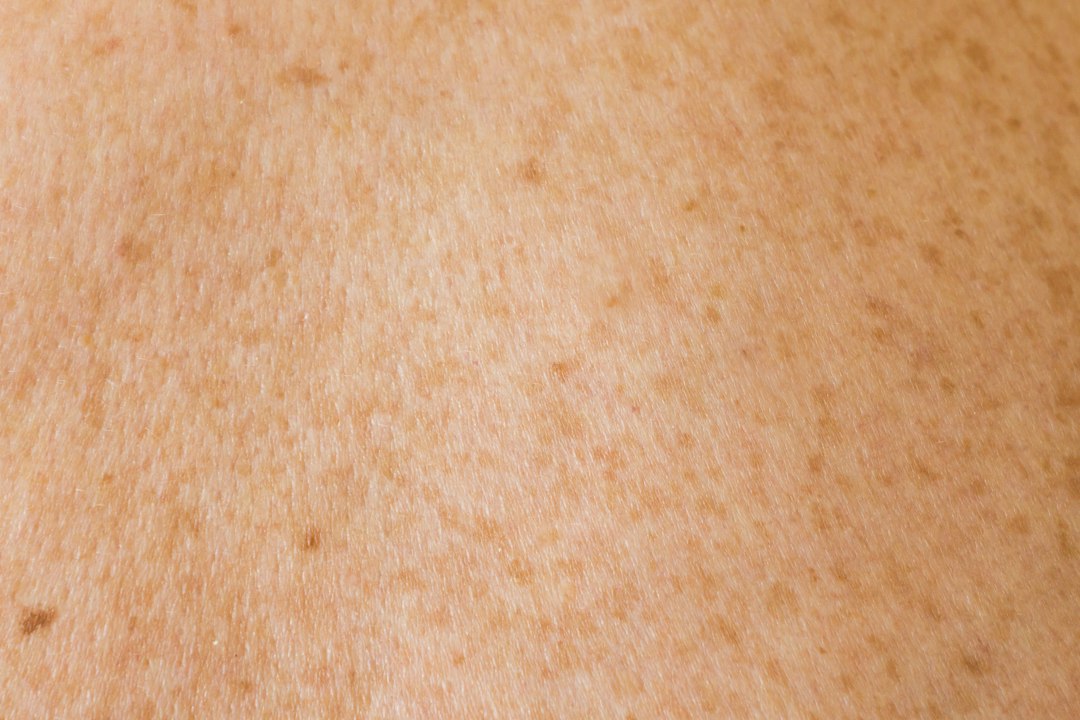
Introduction
If you've noticed your complexion looking dull, tired, or lacking that healthy glow you once had, you're not alone. Millions of adults over 40 experience a gradual loss of radiance that no amount of makeup seems to fix. The problem of what causes dull skin and lack of radiance has deep roots in both biology and lifestyle. Unlike occasional breakouts or temporary blemishes, dull skin often signals something more systemic—a combination of internal and external factors working together to dim your natural luminosity. Understanding these underlying causes is the first step toward restoring that vibrant, healthy appearance you're seeking. This article explores the science behind skin radiance loss, helping you identify what's happening beneath the surface and what you can realistically do about it.
The Root Causes of Dull, Tired-Looking Skin
Skin radiance depends on several interconnected biological processes. As we age, these processes slow down significantly. One of the primary culprits is cellular turnover—the rate at which your skin sheds dead cells and generates new ones. In our 20s, this cycle occurs roughly every 28 days. By our 40s and 50s, this process can stretch to 40–60 days or longer, according to dermatological research published in the International Journal of Cosmetic Science. Dead cells accumulate on the skin's surface, creating a dull, lifeless appearance.
Collagen breakdown is another major factor. This structural protein gives skin its firmness and luminosity. After age 30, we lose approximately 1% of collagen annually. A 2019 study in the Journal of Cosmetic Dermatology found that by age 40, many adults have lost 10–15% of their dermal collagen. This loss affects not only texture but also how light reflects off the skin—resulting in less radiance and more visible fatigue.
Dehydration at the cellular level also contributes significantly. The skin's outermost layer, the stratum corneum, acts as a moisture barrier. When this barrier weakens due to age, environmental stress, or poor hydration practices, water loss accelerates. Dehydrated skin appears dull, flaky, and gray rather than glowing and plump. Additionally, reduced blood circulation to the face—common with age and sedentary lifestyles—means less oxygen and fewer nutrients reach skin cells, further diminishing that youthful radiance.
Signs and Symptoms of Loss of Radiance
Recognizing the signs of dull skin is important for addressing the issue early. The most obvious symptom is a general lack of glow or luminosity. Your skin may look pale, grayish, or ashen rather than bright and even-toned. This differs from redness or irritation; instead, it's a subtle flatness that makes you appear tired even after a full night of sleep.
Texture changes often accompany dull skin and lack of radiance. You might notice your complexion feels rough to the touch or appears slightly flaky, especially around the cheeks, forehead, or chin. This is due to the accumulation of dead skin cells and reduced moisture content. Additionally, fine lines become more pronounced when the skin lacks hydration and collagen support. These lines catch light differently than plump, healthy skin does, creating shadows that enhance the tired appearance.
Dark circles and under-eye hollowing frequently accompany overall skin dullness. The delicate skin beneath the eyes is particularly vulnerable to dehydration and collagen loss. When this area loses volume and moisture, it casts subtle shadows that make the entire face appear more fatigued and aged. Some people also notice an increase in visible pores, which can occur when skin loses elasticity and collagen structure weakens.
Uneven skin tone is another hallmark of dull complexion. Age spots, hyperpigmentation, and areas of discoloration become more noticeable against a dull background. The skin may also lose its natural undertone—that subtle warmth that comes from healthy blood circulation just beneath the surface. Makeup foundation may sit differently on dull skin as well, sometimes looking chalky or patchy rather than luminous and blended.
The Impact on Daily Life and Confidence
The psychological effects of dull, tired-looking skin extend far beyond cosmetic concerns. Adults over 40 often report that their appearance affects their confidence, social interactions, and even professional presence. When your skin doesn't reflect health and vitality, people subconsciously assume you're tired, unwell, or stressed—even if that's not accurate. This can influence everything from how you're perceived in meetings to how comfortable you feel in social situations.
Many people find themselves applying heavier makeup to compensate, which can paradoxically worsen the problem by clogging pores, reducing air flow to the skin, and emphasizing texture irregularities. Others avoid photography or social events altogether, limiting their engagement with life. The constant awareness that your skin doesn't look as good as you'd like creates a subtle but persistent emotional burden.
Additionally, dull skin often signals internal imbalances—poor sleep, inadequate nutrition, or chronic stress. These same factors that dull the complexion also deplete energy levels, mood, and overall wellness. Addressing skin dullness therefore becomes not just a beauty issue but part of a broader commitment to health and self-care. When you take steps to restore radiance, you're simultaneously addressing underlying wellness concerns, which often leads to noticeable improvements in energy, mood, and overall quality of life.
Natural Approaches and Lifestyle Factors
Restoring radiance requires a multifaceted approach. Sleep is foundational—during deep sleep, your body increases blood flow to the skin and rebuilds collagen. A 2017 study published in JAMA Dermatology found that poor sleep quality was significantly associated with increased signs of aging and reduced skin elasticity. Aim for 7–9 hours nightly, as this is when cellular repair and regeneration are most active.
Hydration deserves more emphasis than it typically receives. Drinking adequate water supports internal moisture balance and helps flush toxins. However, external hydration matters equally. Using a quality moisturizer immediately after cleansing helps lock in water and restore the skin barrier. Look for ingredients like hyaluronic acid and glycerin, which draw moisture into the skin.
Sun protection is non-negotiable. Ultraviolet damage accelerates collagen breakdown and elastin degradation—two key factors in radiance loss. A 2022 study in the Journal of the American Academy of Dermatology confirmed that consistent sunscreen use, even on cloudy days and indoors, significantly slows visible aging signs. Use a broad-spectrum SPF 30 or higher daily, regardless of weather.
Movement and exercise enhance skin radiance by improving circulation. Physical activity increases oxygen delivery to all tissues, including skin, and promotes the release of endorphins that reduce stress-related inflammation. Even 30 minutes of moderate exercise most days shows measurable improvements in skin tone and luminosity within weeks.
Stress management is equally critical. Chronic stress elevates cortisol, which triggers inflammation and accelerates skin aging. Activities like meditation, yoga, deep breathing, or time in nature activate the parasympathetic nervous system, reducing cortisol and allowing your skin to heal and regenerate more effectively.
Key Nutrients and Dietary Factors
Nutrition plays a direct role in skin radiance. Antioxidants protect skin cells from free radical damage—unstable molecules that accelerate aging and dull complexion. Vitamins C and E are particularly important. Vitamin C supports collagen synthesis and brightens the complexion, while vitamin E protects cell membranes from oxidative stress. Foods rich in these nutrients include citrus fruits, berries, almonds, and leafy greens.
Omega-3 fatty acids are essential for maintaining the skin's lipid barrier and reducing inflammation. A 2021 study in Nutrients Journal found that participants who increased omega-3 intake showed improved skin hydration and reduced dryness within 8 weeks. Fatty fish like salmon, sardines, and mackerel are excellent sources, as are flaxseeds and walnuts.
B vitamins support skin cell turnover and energy production at the cellular level. B vitamins like niacin (B3) and biotin (B7) are particularly relevant for skin health. Niacin helps regulate sebum production and reduces inflammation, while biotin strengthens the skin barrier. Whole grains, eggs, and legumes provide these nutrients naturally. This is why many adults turn to targeted nutrient formulas—one such option is RevivaGlow, which combines these key B vitamins alongside other skin-supporting nutrients in one convenient supplement.
Collagen and amino acids deserve attention as well. While collagen taken orally doesn't transfer directly to skin (it's broken down during digestion), the amino acids released support your body's own collagen production. Bone broth, chicken skin, and collagen peptide supplements provide these building blocks. Additionally, vitamin C must be present for collagen synthesis, so consuming C-rich foods alongside collagen sources maximizes benefit.
Hydrating foods matter too. Cucumbers, watermelon, strawberries, and leafy greens have high water content and deliver vitamins and minerals that support skin health. Limiting processed foods, excess sugar, and alcohol—all of which increase inflammation and accelerate skin aging—is equally important for maintaining radiance.
Frequently Asked Questions
Can dull skin be reversed at any age?
Yes, but the degree of improvement depends on how comprehensively you address the underlying causes. Cellular turnover can be accelerated through exfoliation, hydration, and nutrient support. Collagen production can be stimulated through vitamin C, amino acids, and lifestyle factors like exercise and sleep. Most people notice visible improvements in radiance within 4–8 weeks of consistent effort, though more dramatic results may take 12 weeks or longer. Patience and consistency are key.
Is dull skin the same as dry skin?
Not necessarily. Dull skin can be oily, combination, or dry. The dullness comes from poor cell turnover, collagen loss, and reduced luminosity—not necessarily from moisture levels alone. However, dehydration often accompanies dullness because both conditions involve barrier function breakdown. You can have oily but dull skin if dead cells aren't shedding properly. Proper assessment of your specific skin type helps target the right solutions.
How long before lifestyle changes show results on dull skin?
Sleep and hydration improvements often show subtle benefits within 3–5 days—you may notice skin feels slightly more plump and looks slightly brighter upon waking. Nutrition and exercise changes typically take 4–6 weeks to show noticeable radiance improvement, as this is how long skin cell turnover takes. Sun protection benefits accumulate over months, preventing further damage. Most people see meaningful changes within 8–12 weeks when combining all approaches.
Next Steps: Exploring Your Options
Dealing with dull, tired-looking skin can be frustrating, especially when you've tried basic skincare without results. If you've been searching for comprehensive information on what causes dull skin and how to address it, you've found the science-backed answers. For those considering a nutritional support option specifically formulated around the vitamin and mineral factors covered in this article, RevivaGlow offers a detailed breakdown of its ingredients and approach. Many adults find that combining dietary improvements, lifestyle changes, and targeted supplementation delivers the most noticeable results.